Country/Region/Universities
Each FISU World University Championship is more than just a sporting event — it’s a unique opportunity to discover a new culture, explore a region, and connect with a vibrant academic community.
This page introduces you to the host country and city for this edition, highlighting their history, key features, and commitment to sport and youth.

China
China is located in eastern Asia, along the western coast of the Pacific Ocean. It has a land area of about 9.6 million square kilometers and a maritime area of approximately 4.73 million square kilometers. China’s land borders extend for around 22,000 kilometers, while its mainland coastline stretches about 18,000 kilometers. There are more than 7,600 islands scattered across China’s sea areas. The largest is Taiwan Island, covering 35,759 square kilometers. China currently has 34 provincial-level administrative regions, including 23 provinces, 5 autonomous regions, 4 municipalities directly under the central government, and 2 special administrative regions. Beijing is the capital of China.
Changchun
Changchun, the Spring City in Northeast China and a dreamland of ice and snow, is located in the hinterland of the Songliao Plain and beside the foothills of the Changbai Mountains. It is a modern city that perfectly integrates industrial civilization, passion for ice and snow, and green ecology, like a bright pearl in Northeast China. As the only city in New China honored as both the Cradle of China’s Automobile Industry and the Cradle of Chinese Film Art, Changchun—with its profound heritage, dynamic innovation, and boundless enthusiasm for ice and snow sports—sincerely welcomes young athletes from around the world to gather here.
As the capital of Jilin Province, Changchun is a significant industrial base and a center of science, education, and culture in Northeast China. It enjoys the reputations of “Automobile City”, “Film City”, and “Forest City”, and boasts a solid industrial base, high-quality educational resources, and a rich cultural heritage.
The city has an administrative area of 24,744 square kilometers and a registered permanent resident population of approximately 9.1 million. Situated in the hinterland of the Songliao Plain in Northeast China, it lies within the “golden latitude zone for ice and snow sports” between 43°N and 45°N latitude. With cold and long winters, abundant snowfall, and stable ice periods, the city has an average annual snow depth of over 1 meter and an average temperature of -12.8 °C in January. It nurtures dry and fluffy powder snow like sugar, providing athletes with the best skiing experience. Meanwhile, sheltered by the Changbai Mountains, the city has a high windless rate, which not only ensures fair and efficient competition but also enhances competitive comfort and safety. Its unique, high-quality natural conditions — such as powder snow, windless weather, and warm sunshine — endow it with top-tier advantages for hosting ice and snow events.

Jilin
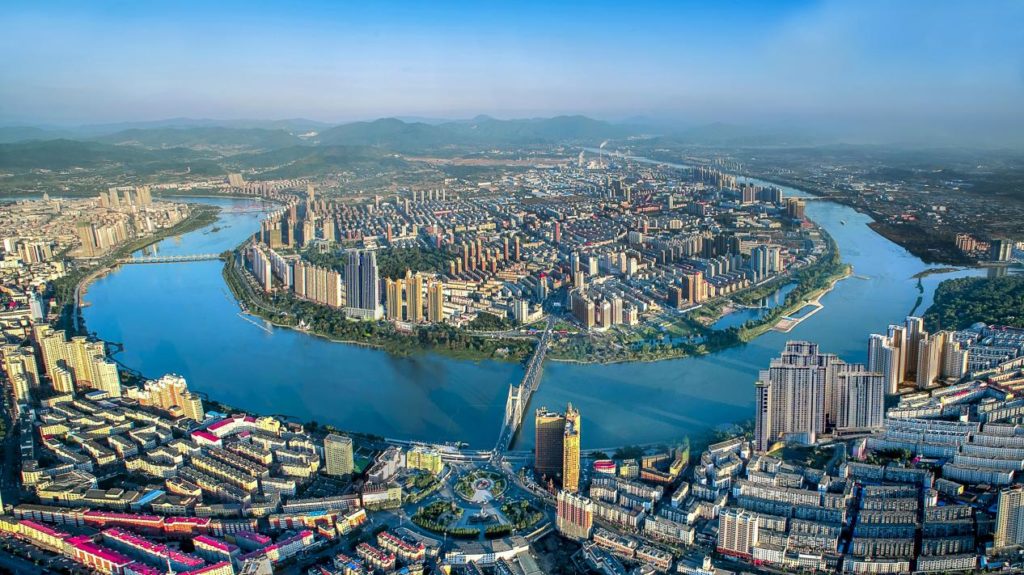
Jilin, a sub-central city in Jilin Province, holds the unique distinction of being the only city in China named after its province and recognized as the “Riverside City in Northeast China”.
As a National Historical and Cultural City, it has emerged as a major destination for ice and snow tourism. Covering an area of 27,711.4 square kilometers with a registered population of approximately 4 million, the city is strategically situated along the Songhua River at the transitional zone between the Changbai Mountains and the Songnen Plain. Sharing the “golden latitude zone for ice and snow sports”between 43°N and 45°N latitude with Changchun, Jilin experiences a five-month-long winter season marked by abundant snowfall and high-quality powder snow. The region hosts world-renowned ski resorts, including Beidahu and Songhua Lake, which feature advanced infrastructure and extensive experience in organizing international sporting events. The natural phenomenon of rime ice, formed under specific meteorological conditions, has earned Jilin the prestigious title of “City of Rime Ice”. Currently, the city is advancing strategic initiatives to establish a globally competitive ice and snow industry.
Universities
As one of China’s leading provinces in winter sports, Jilin has positioned its universities as key platforms for cultivating ice and snow talent, promoting winter sports participation, and empowering the snow and ice industry. The province is home to 68 higher education institutions. The following are representative examples:
Jilin University
Jilin University has consistently aligned its development with national strategic priorities, using winter sports laboratories as an important research platform. Relying on the Key Laboratory of Ice and Snow Tourism Site Equipment and Intelligent Service Technology under the Ministry of Culture and Tourism—the only ministerial-level key laboratory in China dedicated to ice and snow tourism research—the university has made sustained contributions to scientific innovation in the winter sports sector. During the Beijing 2022 Winter Olympic Games, the laboratory released the China Ice and Snow Economy Development Index Report, an authoritative assessment of trends in the ice and snow economy. It also introduced the “Ice and Snow Economy Aircraft Theory,” offering a new analytical framework for understanding industrial development dynamics.
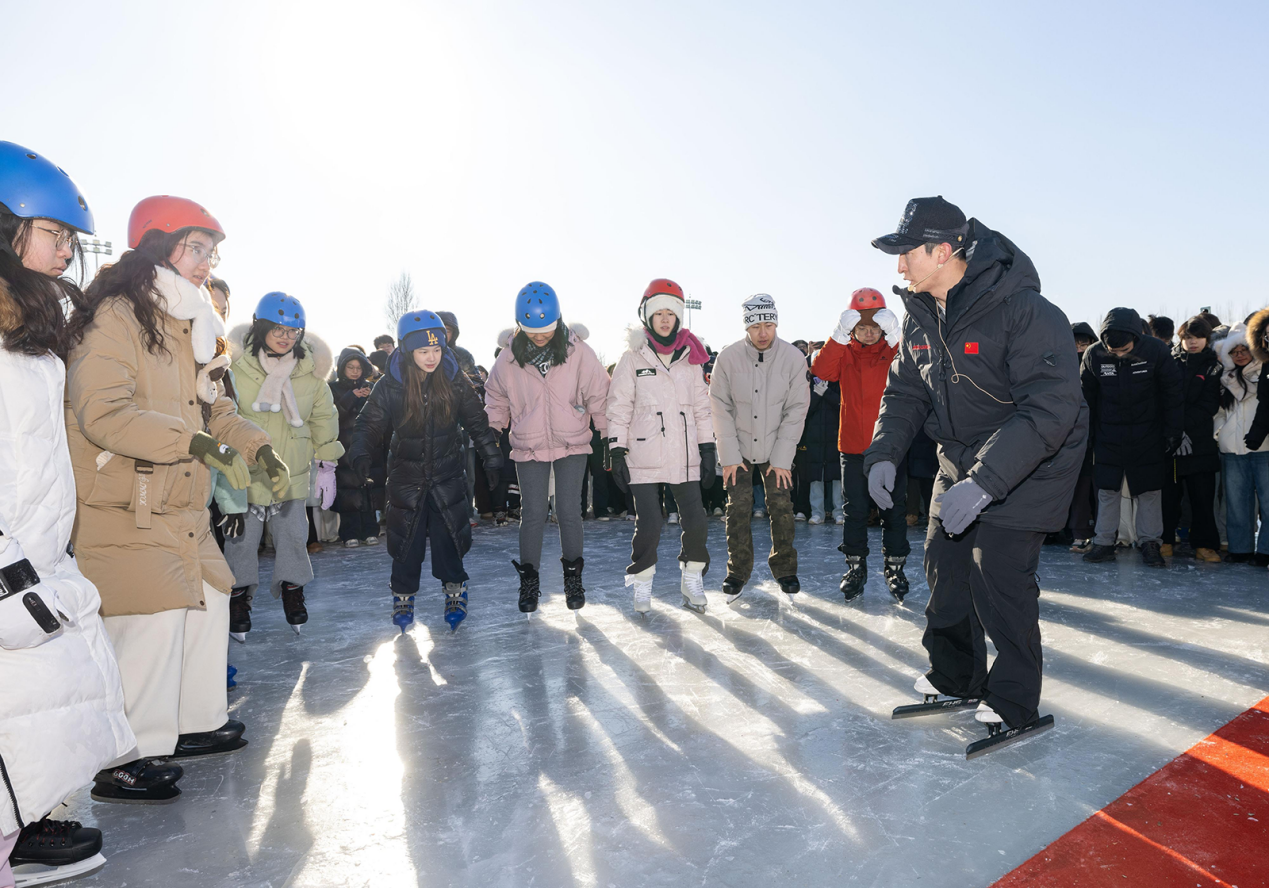
Committed to a people-centered approach in education, Jilin University integrates winter sports talent cultivation into its academic programs and practical training. The university has offered specialized skating courses for over four decades without interruption. It regularly invites Olympic champions such as Wu Dajing to provide on-campus instruction, bringing winter sports into classrooms and campus life. Through these initiatives, the university preserves Northeast China’s winter sports culture, enhances students’ athletic literacy, and actively responds to the national call to promote winter sports in college.
Northeast Normal University
Founded in June 1948, the School of Physical Education (Ice and Snow College) of Northeast Normal University was among the earliest departments established to train physical education teachers prior to the founding of the People’s Republic of China. Over more than 70 years of development, the college has cultivated a distinctive talent-training model characterized by standardized athletic techniques, solid pedagogical skills, and a strong theoretical foundation.
It is widely regarded as the “Cradle of the People’s Physical Education Teachers.” The institution has trained more than 30 doctoral graduates who have made significant contributions to China’s winter sports development, including Olympic champions Wu Dajing, Zhang Hong, Zhou Yang, and Li Jianrou. It has also produced tens of thousands of grassroots physical education teachers and industry professionals in the field of winter sports.
Beihua University
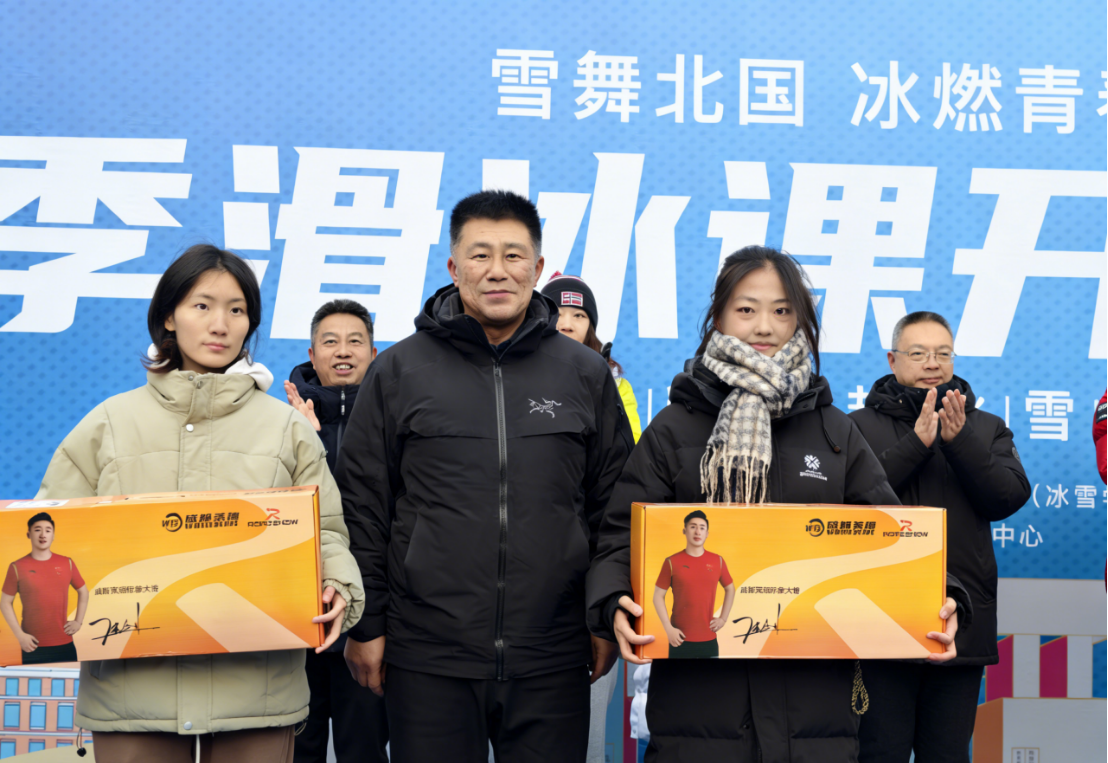
Rooted in Jilin and committed to serving regional development, Beihua University established one of China’s first Ice and Snow Colleges in 2018, leveraging local winter resources and interdisciplinary strengths. The university pioneered a full-chain talent cultivation model for the winter sports sector. Adhering to the principle of “learning through practice and educating through application,” the university has strengthened collaboration with ski resorts and winter sports enterprises across the province. It has built internship and training bases to ensure close alignment between talent development and industry needs.
Since October 2025, more than 200 students have been dispatched to 17 ski resorts within the province, contributing their expertise in equipment maintenance, coaching assistance, and technical operations, thereby supporting industry upgrading and quality enhancement. Faculty and students have independently developed and continuously refined ski simulation training devices, while ice and snow equipment testing instruments are in regular operation. These efforts contribute to the formulation of Chinese standards for winter sports equipment and provide technical support for domestic manufacturers to reduce reliance on foreign monopolies.
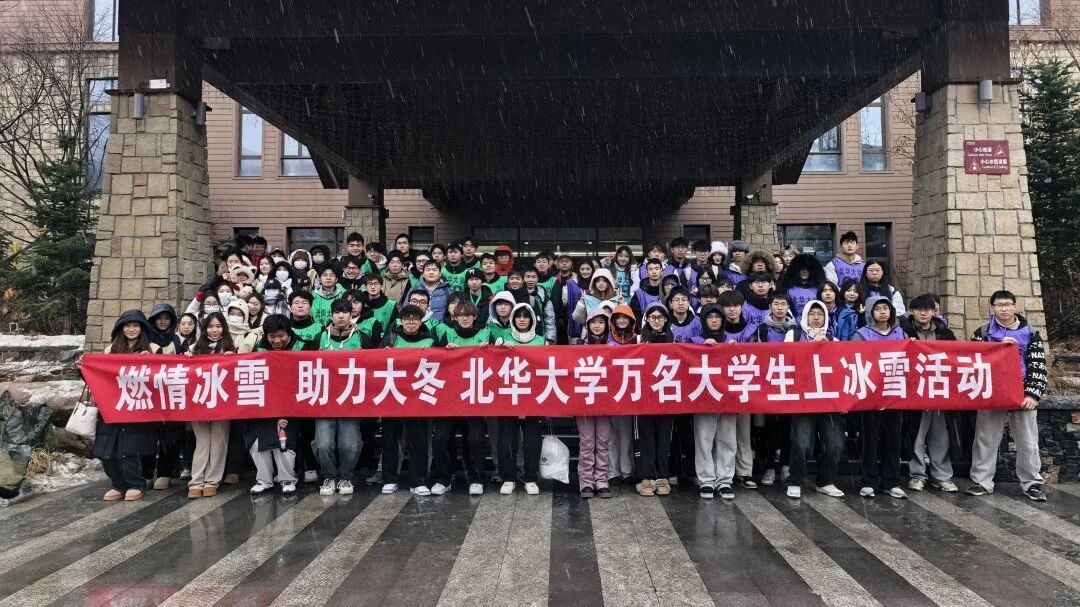
Jilin Sport University
Jilin Sport University has nurtured many distinguished figures in China’s winter sports history, including Shan Zhaojian, widely known as the “Father of Chinese Skiing,” Ye Qiaobo, celebrated as a pioneer of Chinese speed skating, Chen Lu, often referred to as the “Butterfly on Ice,” and two-time Olympic champion Wu Dajing. These achievements have further strengthened the university’s reputation as a cradle of elite winter sports talent.
During the Beijing 2022 Winter Olympic Games and the Harbin 2025 Asian Winter Games, faculty members and students from Jilin Sport University formed NTO officiating teams and volunteer groups. With strong professional competence and dedication, they provided essential support to the successful staging of the events, becoming a visible and valued presence throughout the competitions.
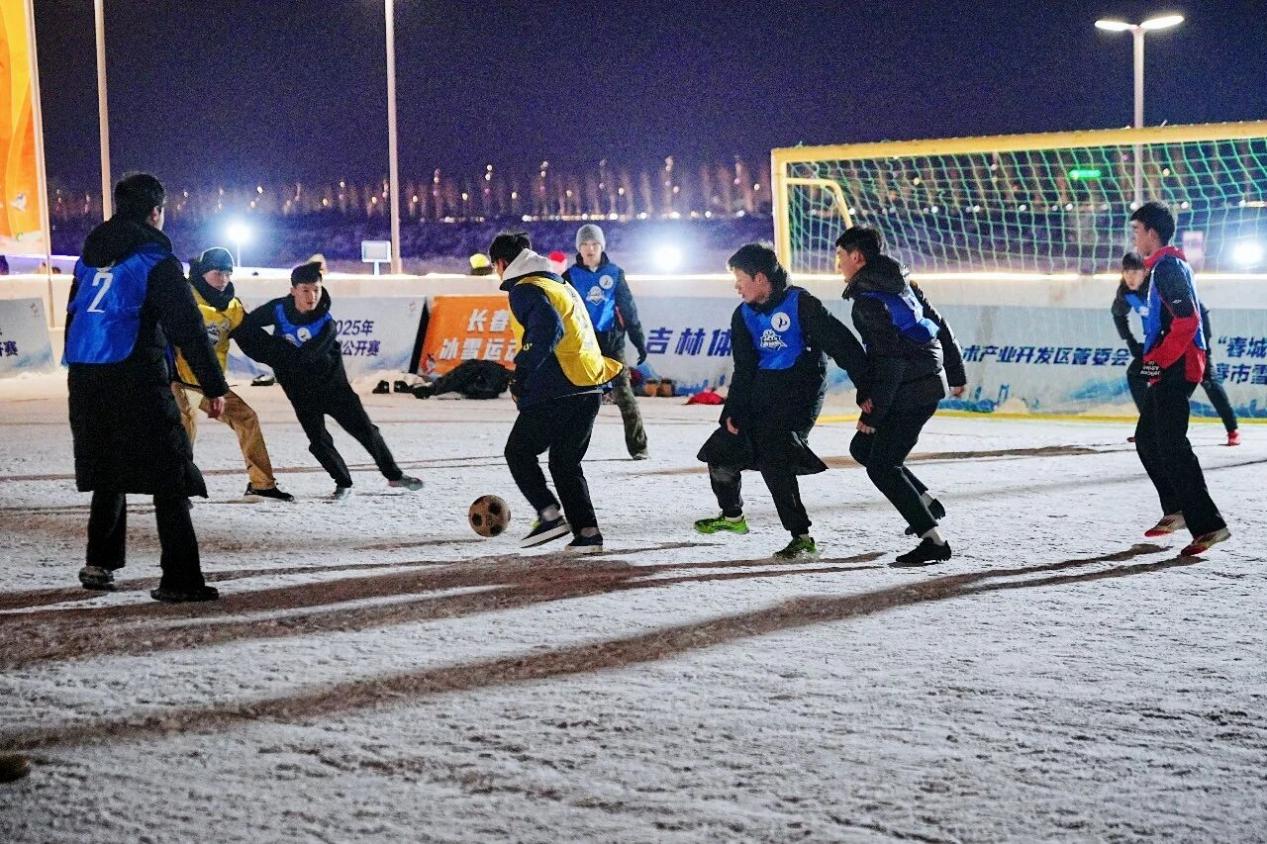
Tourism College of Changchun University
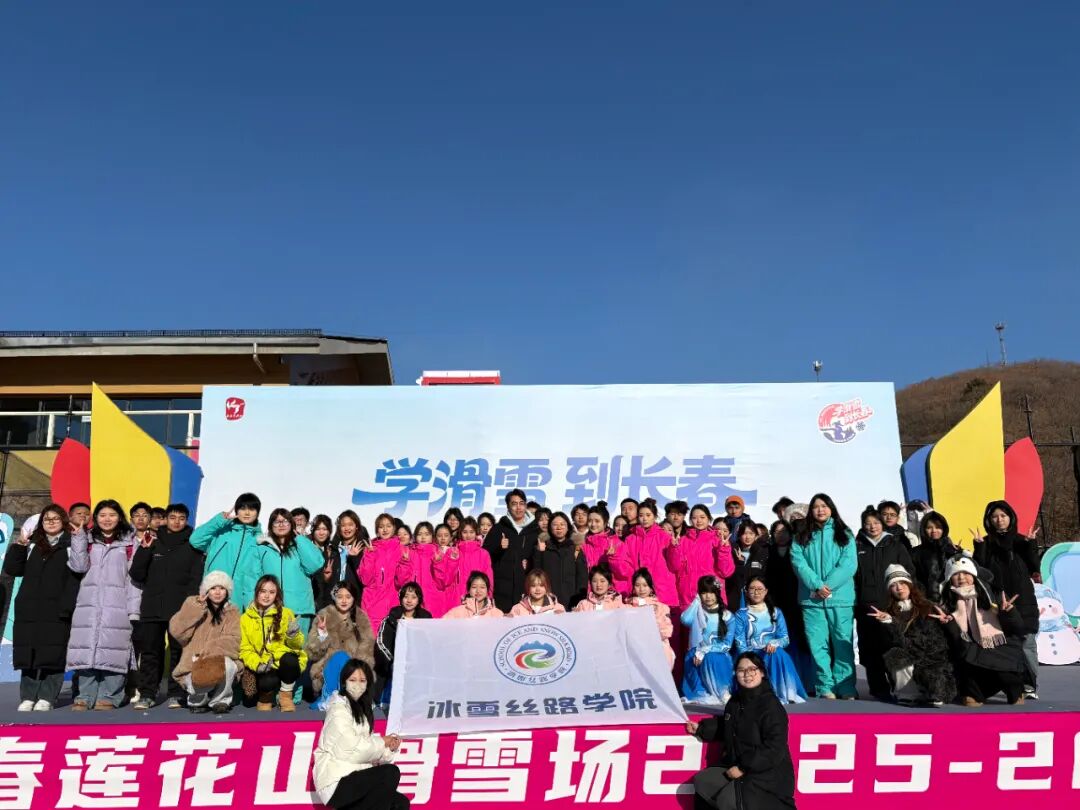
In August 2025, the Tourism College of Changchun University officially established the Ice and Snow Silk Road Institute. Drawing on the strengths of a tourism-focused academic institution, the Institute centers on the full industrial chain of the ice and snow sector. It is committed to cultivating practice-oriented professionals skilled in operations, planning, and design; innovative talents capable of integrating digital technologies and intelligent solutions; and globally minded professionals with strong cross-cultural communication abilities. Through this integrated talent development approach, the Institute aims to inject new momentum into the regional ice and snow industry.